Beyond the Show of Hands: Minority Safeguards for Pupil Democracy
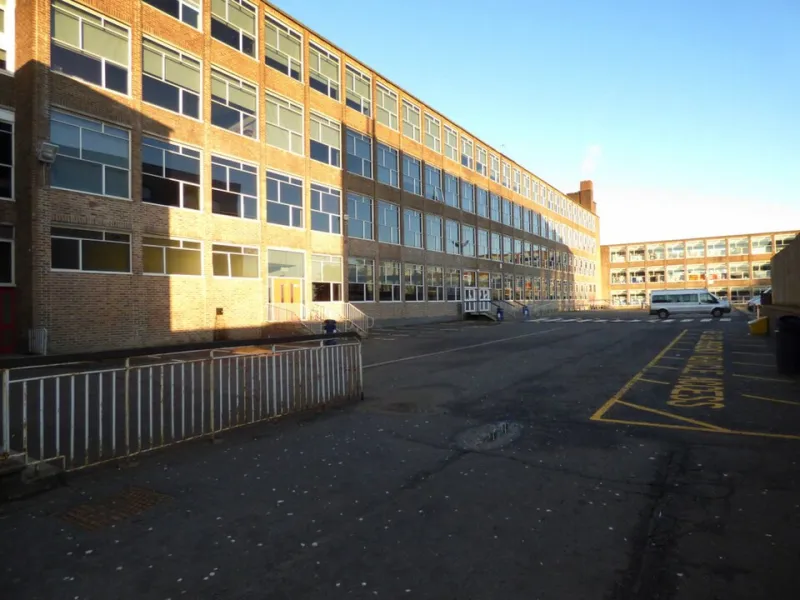
Photo: Thomas Nugent, CC BY-SA 2.0, via Wikimedia Commons
School councils have discovered the referendum. In 2026, as schools wrestle with attendance, curriculum change and tight budgets, the whole-school ballot has an obvious appeal: it is visible, easy to explain and difficult to dismiss as the preserve of a self-selecting committee. A vote on the new uniform, the lunchtime club schedule or the redesign of the toilets can feel like democracy in its purest form. Yet the plebiscite is not a neutral tool. Used without care, it can convert pupil voice into majoritarian rule, teaching the most vulnerable pupils that their needs are matters for the crowd rather than claims of right.
The appeal of the whole-school vote
The case for ballots is not frivolous. Pupil councils can become cliquish, unrepresentative or overly dependent on the confidence of a few articulate pupils. A whole-school vote widens participation and gives decisions a public mandate. It can cut through the inertia of consultative forums and signal that pupils are trusted with real choices. For school leaders anxious about legitimacy, a ballot also provides a defensible record: the community was asked, the community decided.
But a school is not a state, and a ballot is not a blank cheque. The pupil body contains majorities and minorities whose interests are not symmetrical. A vote to abolish a quiet lunchtime club may be popular with the many and devastating for the few who rely on it. A ballot on uniform policy may ignore the cost pressures facing lower-income families. A decision about access arrangements, toilets or support spaces may be framed as a matter of taste when it is in fact a matter of safety, dignity and legal entitlement.
When popularity becomes tyranny
The referendum trap opens when schools treat all questions as suitable for majority decision. Some issues are matters of preference: the theme of a charity day, the design of a mural, the order of events at a summer fair. Others are matters of right: reasonable adjustments for disabled pupils, protection from discrimination, access to toilets, the ability to practise a religion or belief, and the safety of pupils with protected characteristics under the Equality Act 2010. These cannot be put to a show of hands without risking serious harm.
This is not an argument against pupil democracy. It is an argument for constitutional design. The UN Convention on the Rights of the Child, Article 12, guarantees pupils a voice in decisions that affect them; it does not require that every decision be settled by plebiscite. Article 3 requires that the best interests of the child be a primary consideration. A school that allows a majority to vote away a minority's access to a quiet space or an accessible facility has not deepened democracy; it has merely given majoritarianism a pupil-friendly name.
Four safeguards for inclusive ballots
First, schools need entrenched limits. A short pupil democracy charter, adopted by the governing board, should set out which matters are suitable for whole-school votes and which are reserved for consultation, co-design or legal scrutiny. Rights-adjacent questions should require an equality impact assessment before any ballot is held. The charter should be published, reviewed annually and explained in assemblies, so that pupils understand that democracy includes constraints as well as choices.
Second, schools should use deliberative panels alongside plebiscites. A representative panel, selected by lot from the pupil body, can hear evidence, question staff and consider trade-offs before a recommendation goes to a wider vote. Sortition is not a gimmick; it is a way of building a mini-public that is more representative than a council of volunteers and more thoughtful than a snap ballot. Panels can also identify the minority concerns that a simple yes-or-no question would obscure.
Third, minority reports should be a formal part of the process. When a ballot is held, pupils should be able to record dissenting views and the reasons for them. The governing board and senior leadership should be required to respond publicly to those reports. This does not give minorities a veto over every decision, but it prevents their concerns from being erased by a headline result. It also models a mature democratic practice: winning is not the same as being right.
Fourth, affected-pupil consent should be required for decisions that touch access, support or identity. If a proposal would change provision for disabled pupils, young carers, LGBTQ+ pupils or pupils with particular religious needs, those pupils and their representatives should be involved from the start. Where a decision would remove or materially alter a service they rely on, their consent or a clear, published justification should be required. This is not special pleading; it is the practical meaning of inclusive democracy.
Governing the vote, not just holding it
These safeguards depend on governance. School councils need clear terms of reference, annual audits of participation and a named governor with responsibility for pupil voice. Multi-academy trusts should ensure that their pupil voice policies are consistent with equality duties across all schools. Headteachers should resist the temptation to use ballots as a shortcut around difficult conversations. A referendum can legitimise a decision, but it cannot manufacture consent from those whose rights are at stake.
Pupil democracy is strongest when it is more than a count. It is a practice of listening, reasoning and protecting the minority from the momentary confidence of the majority. Whole-school ballots can be part of that practice, but only if they are bounded by rights, informed by deliberation and accountable to those least able to shout the loudest. In 2026, as schools ask pupils to take democracy seriously, they should give them a model worth learning from.