The Empty Seat on the Coach: Auditing School Visits for Fair Access
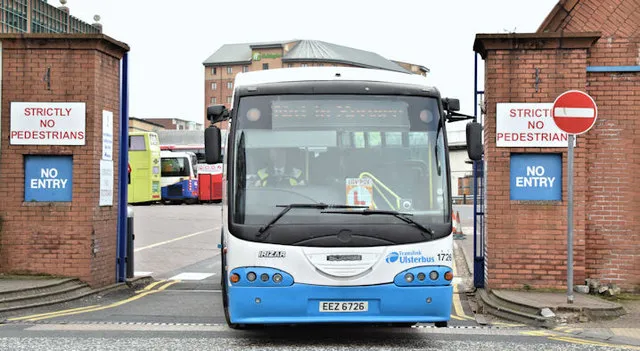
Photo: Albert Bridge , CC BY-SA 2.0, via Wikimedia Commons
A school visit is often described as enrichment. The word suggests something added to the curriculum, a bonus for pupils who can take it up. But the permission slip is rarely a neutral document. It asks for a signature, a payment and a promise. Behind it lies a quiet test of household income, accessibility, caring responsibilities and confidence. In 2026, with family budgets still tight and school budgets under pressure, that test is sharper than ever. A pupil-led review of school visits would not abolish it by magic. It would make the test visible, and visibility is the first condition of fairness.
The permission slip as an income test
Schools are rightly careful about the language of voluntary contributions. They know that a trip advertised as optional can feel compulsory when a class is excited, a teacher is organising and a form is due. Yet the gap between policy and practice is often wide. A pupil may be told that help is available, but not know how to ask for it. A parent may fear that a request for support will mark the family out. A trip that costs twenty pounds may be affordable in one household and impossible in another, especially when several children need the same form signed in the same month.
The result is not simply that some pupils miss a day out. It is that they miss the shared reference points through which a curriculum becomes memorable. They miss the museum room, the field trip, the theatre workshop and the conversation on the coach. They may also miss the informal learning that comes from navigating a new place with peers. A school that treats visits as optional enrichment is making a decision about who belongs to the common culture of the school.
What pupils can tell us
Pupils are well placed to describe the real barriers to participation, but they are rarely asked in a structured way. A pupil-led review should gather anonymous evidence on cost, timing, accessibility, information and confidence. Did pupils know that subsidies existed? Were they told how to apply? Did the trip require equipment or clothing that families had to buy? Was the meeting point accessible? Were there quiet spaces or adjustments for pupils with sensory needs? Did the journey and the day allow for breaks, medication or caring responsibilities?
These questions should not be asked only after a trip has happened. They should inform the design of the visits programme. A pupil panel can review the previous year's list of visits and identify patterns. Which trips had low uptake? Which had high uptake but hidden costs? Which were described as essential to a course and which were described as a treat? The answers may be uncomfortable, but they are more useful than a general assumption that non-attendance reflects a lack of interest.
An annual visits audit
Every school should publish an annual visits audit. It need not be long. It should list the visits offered, their curriculum purpose, the cost per pupil, the subsidy available, the uptake of subsidy and the participation rate. It should say how accessibility was assessed and what adjustments were made. It should include a short commentary from pupils on what worked and what did not. The audit should be published alongside the school's charging policy, so that families can see the two documents in the same frame.
The audit should also distinguish between different kinds of cost. There is the headline price of the coach or the entry ticket. There is the cost of food, clothing, equipment and spending money. There is the cost of time, which falls heavily on pupils with jobs, caring duties or long journeys. A school that only counts the first figure will miss much of the burden. A serious audit will count all three, even if it cannot remove them.
Consult before the coach leaves
The most important reform is temporal. Pupils should be consulted before visits are booked, not only after they return. A pupil panel can review proposed destinations, dates, costs and accessibility arrangements. It can ask whether a cheaper alternative would meet the same educational purpose. It can check whether the information sent home is clear and whether the subsidy route is visible. It can identify pupils who may need a discreet conversation with a trusted adult rather than a public appeal.
This is not about transferring professional judgement to pupils. Teachers remain responsible for curriculum, safety and pedagogy. But pupils are experts in the experience of being a pupil, and their expertise is relevant to whether a visit is genuinely open to all. Consultation should be routine, recorded and responded to. If a school decides to proceed with a costly residential because it believes the educational value justifies it, that decision should be explained. Explanation is not weakness. It is accountability.
Rights, not treats
The language of enrichment can obscure a question of rights. If a visit is integral to a course, it should be planned and funded as part of that course. If it is genuinely optional, the school should be honest about what pupils will miss and what alternatives exist. In either case, pupils should not have to choose between a learning opportunity and a family budget. The UN Convention on the Rights of the Child recognises the right to education and to rest, play and culture. School visits sit at the meeting point of those commitments.
An annual visits audit will not solve poverty or fix a broken coach. It will, however, give governors and parents a factual basis for asking harder questions. It will show which pupils are being left at the school gate and why. And it will give pupils a role in shaping the answer. The coach should not leave with an empty seat that no one has explained.