Who Waits at the Stop? Pupil Voice and the Governance of School Transport
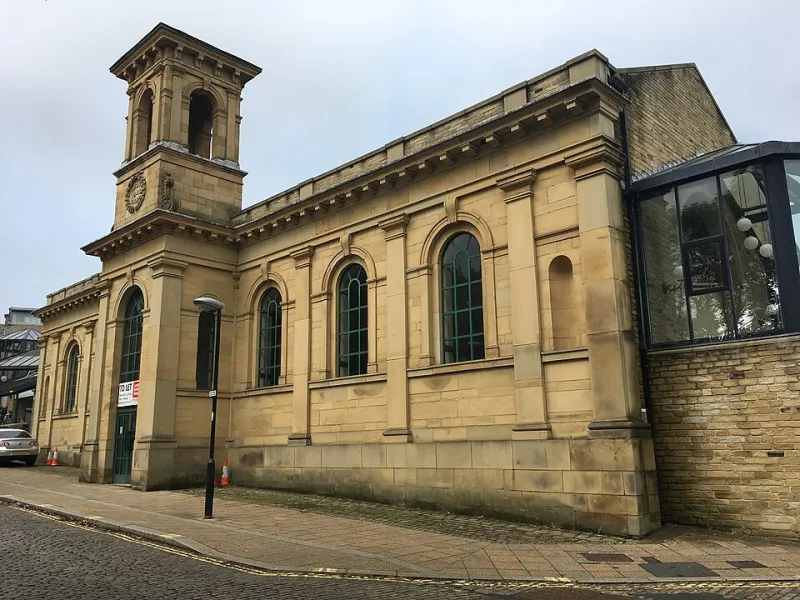
Photo: Peter James, CC BY-SA 4.0, via Wikimedia Commons
Home-to-school transport is often described in the language of contracts: routes, vehicles, passes, procurement. That language is not wrong, but it is incomplete. For a pupil, the journey is not a line in a commissioning spreadsheet. It is the difference between arriving at school ready to learn and arriving late, anxious or not at all. It is a parent's shift pattern, a sibling's pick-up, a winter walk along an unlit lane. It is, in other words, an educational question.
A Contract with a Child at the End of It
Local authorities in England have longstanding duties to provide home-to-school transport in certain circumstances, including for pupils who live beyond the statutory walking distance and for some pupils with special educational needs and disabilities. Beyond those duties, authorities exercise discretion over discretionary fares, post-16 support and the practical shape of routes. When a route is withdrawn or an eligibility rule tightened, the decision may be presented as a budget saving. For the pupil at the stop, it is a change in the terms of access to education.
This is why transport deserves to be treated as governance, not merely operations. The current framework gives local authorities duties and discretion. It gives parents a right to make representations. It gives pupils almost no formal role at all. Consultation exercises often address parents, schools and operators, but the people who wait at the stop, who know which bus is habitually late, which crossing feels unsafe, which driver treats pupils with respect, are rarely invited into the room where the evidence is weighed.
What Pupils Know That Timetables Do Not
Pupil knowledge is not merely anecdotal. It is situated. A pupil who waits forty minutes at a stop in the dark knows more about reliability than a quarterly performance report. A pupil who cannot attend a revision session because the last bus leaves at four o'clock understands the relationship between transport and attainment. A pupil with a disability or a caring responsibility experiences the practical meaning of eligibility rules in a way that a policy document cannot capture.
That evidence is too often gathered late, if at all. Schools may hear complaints from parents. Officers may log missed journeys. But without a structured route for pupil testimony, transport reviews can miss the cumulative human cost of small changes: the pupil who drops a subject because the connecting bus no longer works, the family that absorbs extra taxi costs, the Year 11 student who cannot stay for after-school support. These are not sentimental details. They are evidence about whether a transport policy is doing what it claims to do.
A Safeguarded Panel for Every Local Authority Area
We argue for a safeguarded pupil transport panel in every local authority area. Its purpose would be scrutiny and advice, not commissioning. Membership should be drawn from schools and colleges across the area, including pupils with special educational needs and disabilities, rural pupils, those in alternative provision and post-16 learners. Terms of reference should be co-designed with pupils and published in plain English.
The panel's remit should be clear. It should review consultation evidence on route changes and eligibility rules. It should examine the human cost of cuts, not as a public relations exercise but as a standing item with recorded evidence. It should be able to request anonymised data on punctuality, missed journeys and safety incidents. It should publish minutes and report annually to the authority's scrutiny committee. Adults would retain responsibility for commissioning, budgets, safeguarding and operational decisions. The panel would not negotiate with operators alone or substitute for statutory consultation. It would strengthen the evidence base on which those decisions rest.
Remit, Not Power
The distinction matters. A panel that is handed operational power without safeguards would be irresponsible. A panel that is handed nothing but a listening ear would be decorative. The model proposed here is deliberately bounded: pupils advise, adults decide, and the reasons for decisions are published. Safeguarding requires clear protocols, consent, accessible venues, reimbursement of travel costs and appropriate adult support. It also requires a serious response duty, so that recommendations are answered rather than merely received.
This is not co-option. It is scrutiny. A standing item on route changes, a human cost register and a published response to recommendations would give the panel more traction than a one-off consultation event. Over time, the panel would build an institutional memory about transport that survives staff turnover and budget cycles.
The Human Cost of a Line on a Spreadsheet
Efficiency is a legitimate concern. Local authority budgets are under severe pressure, and no serious advocate of pupil voice should pretend otherwise. But efficiency measured only in cost per passenger mile can miss the pupil who cannot attend a revision session because the last bus leaves at four o'clock. It can miss the safety fears that make a parent choose a car journey instead. It can miss the attendance strategy that is undermined before the school day begins.
A human cost register would record missed lessons, safety incidents, additional family costs and the strain on pupils with additional needs. It would not replace financial analysis. It would sit alongside it, making visible what transport cuts actually do. In 2026, as authorities continue to make difficult choices, that evidence matters. A decision that looks small in a committee report can be decisive in a young person's week.
Starting Somewhere Real
A local authority need not wait for new legislation. It can map existing school councils and youth forums, invite nominations and co-design terms of reference. It can begin with one route review and publish a plain-English summary of eligibility rules. It can train pupils in evidence gathering and hold meetings in accessible venues, with online options where appropriate. Schools and academy trusts can support the panel by releasing pupils, recognising service and helping to safeguard participation.
The panel should meet in public where possible, with private sessions where safeguarding requires. It should be reviewed after a year, with pupils involved in that review. The aim is not a perfect model but a real one: a body that meets termly, reads evidence, asks difficult questions and reports what it finds.
Democracy in education does not begin at the school gate. It begins on the way there. A route is not just a line on a map. It is a decision about who can get to school, and on what terms. Pupils should help make it.